The Ultimate Guide to Planning an Electric Car Road Trip

As an Amazon Associate, I earn from qualifying purchases. Please note that a few of the links in this article are actually affiliate links. This means that if you click on them, I will get a commission, without any extra cost to you. I only recommend products or services that I personally tested and highly recommend.
Planning an electric car road trip can seem like a whole new challenge, but it’s becoming an increasingly popular and sustainable way to explore the open road.
With the rise of electric vehicles (EVs), road tripping has never been more affordable—especially with the right planning.
I’ve spent years exploring the US, from road trips in plug-in hybrids to cruising in full EVs, always trying to save money and make the journey smoother.
Taking an electric car on a road trip offers an affordable and sustainable way to see the country, but there are a few key things to consider—like planning your charging stops and maximizing your car’s range.
In this post, I’ll walk you through the key considerations for making your EV adventure smooth and enjoyable, from finding charging stations to maximizing your car’s range.
Having recently traveled all over Michigan in both a plug-in hybrid and a full EV, I’ve learned firsthand how to make the most of your trip while saving money and gas!
Let’s get started
Choosing the Right Electric Vehicle for Your Road Trip
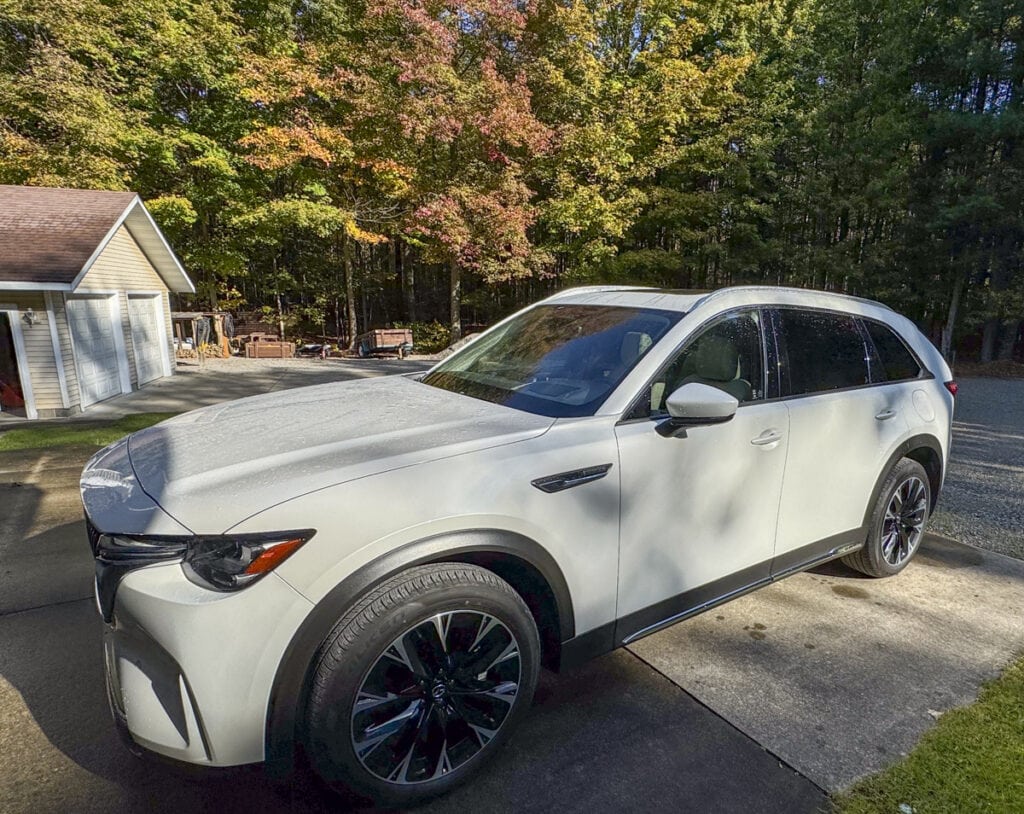
When it comes to planning an electric car road trip, choosing the right EV is key to making your journey as smooth and stress-free as possible.
Let’s break down what to look for:
Range Considerations
Understanding your EV’s range is crucial for long-distance travel.
While some electric vehicles can go about 400 miles on a single charge, others may only last around 150-200 miles.
Consider how far you’ll be driving between stops, and make sure your EV’s range aligns with the distances. Obviously, a car with a longer range gets you further between stops.
A good rule of thumb is to plan about 50-60 miles per hour. This helps account for stops for bathroom breaks, snacks, etc. Of course, with an EV you’re not stopping for gas.
400 miles would take about 6.5 to 8 hours. That’s plenty for a day’s worth of driving.
Battery Capacity and Charging Speeds
Battery capacity plays a big role in how far you can go on a single charge.
EVs with larger batteries generally offer longer ranges, but they also tend to take longer to recharge.
You’ll also want to look at charging speeds: fast-charging stations can get you back on the road quickly, while slower options may take longer.
Understanding both the charging infrastructure and your EV’s charging capabilities will help you plan better and avoid any long waits on the road.
EV Features for Road Trips
Many electric vehicles come with features that can make your road trip easier. Here are a few to consider:
- Regenerative Braking: This feature helps recharge the battery while you brake, improving your vehicle’s overall efficiency and range.
- Navigation Tools: Many EVs have built-in navigation systems that can show nearby charging stations along your route, helping you plan pit stops with ease. Plus, Apple Maps and Google Maps also list charging stations.
- Energy Management Systems: Some vehicles offer real-time updates on energy consumption, which can help you adjust driving habits to maximize range and reduce charging frequency.
Mapping Out Charging Stations and Routes

Planning an electric car road trip isn’t just about finding the best sights to see—it’s also about ensuring your vehicle stays charged and ready to go. Luckily, there are plenty of tools and strategies to make this part of your journey as smooth as possible.
Apps and Tools for Finding Charging Stations
To ensure you don’t get stuck without a charging station, apps like PlugShare, ChargePoint, and EVgo are invaluable. These apps provide real-time information on charging stations, so you can find one when you need it most.
They even allow you to filter by charging speed and availability, which is especially helpful when you’re in unfamiliar areas.
If you’re on the go and need a quick solution, Apple Maps and Google Maps also include listings for charging stations when you search “EV Chargers.” However, while these apps can show you nearby stations, they don’t provide the same level of detailed information as the dedicated EV apps.
Planning Charging Breaks
I’ve learned that one of the best parts of planning charging stops is the opportunity to take a break and enjoy your surroundings.
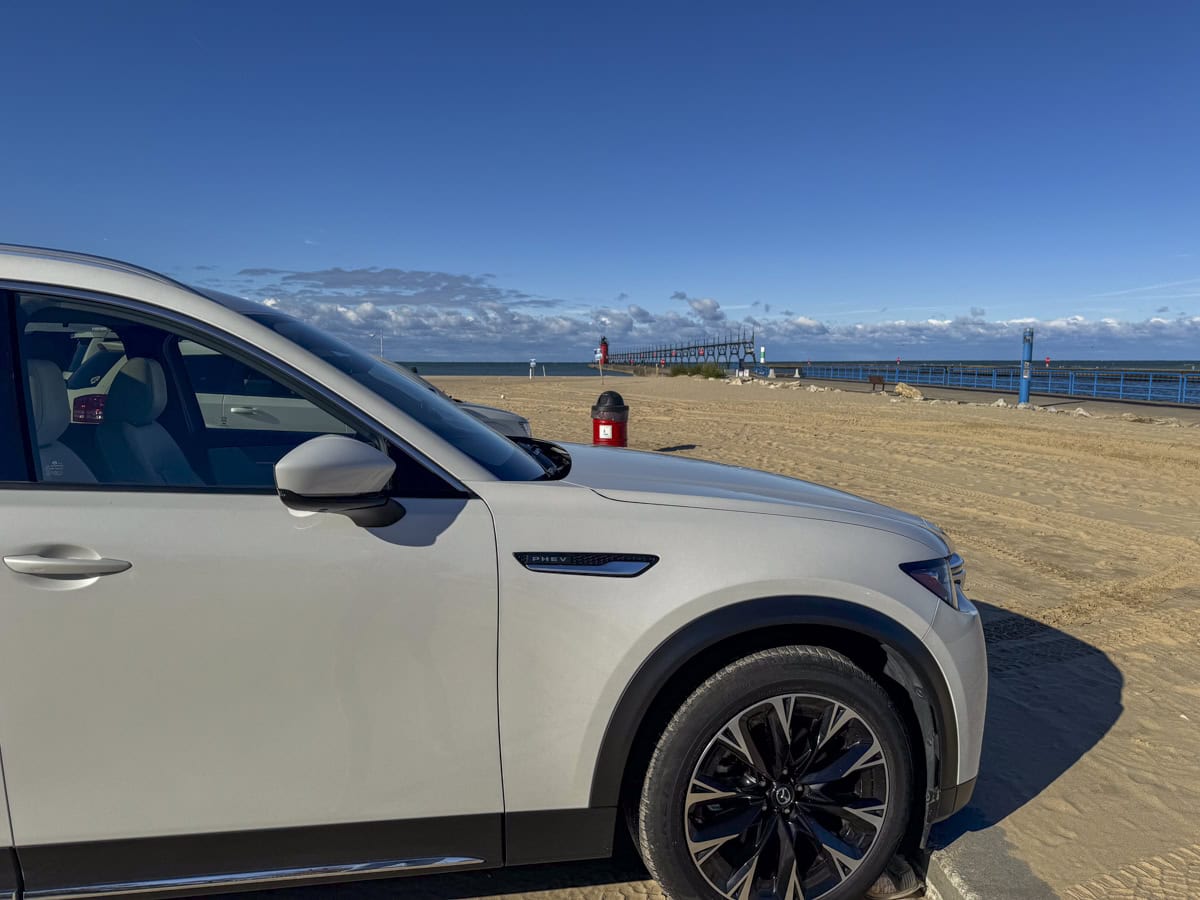
On a recent trip to a lakeside town in Michigan, I was driving my plug-in hybrid and needed to recharge. I plugged in the car at a local station, which took about 2.5 hours for a full charge.
Instead of waiting around in the car, I took the chance to explore the town. I wandered through shops, enjoyed a leisurely lunch at a local café, and even took a walk along the lake. It was the perfect opportunity to stretch my legs, relax, and make the most of the charging time.
When planning your own stops, look for activities or dining options nearby where you can relax and recharge yourself while your car is charging. You can even plan overnight stays at hotels with EV chargers. Websites like Expedia allow you to filter for properties that offer charging stations, which is a huge time-saver on longer trips.
Budgeting for an EV Road Trip
When planning an electric vehicle (EV) road trip, budgeting is a key consideration. The cost of charging your EV is typically lower than gasoline, but there are several factors to keep in mind to make sure you’re prepared for your journey.
Cost of Charging vs. Gasoline
In general, charging your EV is more affordable than filling up a gas tank, but how much you’ll save depends on your vehicle’s efficiency and where you charge.
For example, an EV with a mileage efficiency of 4 miles per kWh can travel 100 miles on 25 kWh of electricity. 100 miles/4 miles per kWh = 25 total kWh.
If you’re charging at home with an average electricity rate of $0.16 per kWh, your cost for 100 miles would be around $4. $0.16 x 25 = $4.
However, if you charge at a fast charging public station where rates can go up to $1.00 per kWh, it could cost you around $25 for the same 100-mile trip.
If you’re driving 400 miles on a “tank” your cost could be anywhere from $16 to $100. We’ll talk fast charging in a minute.
Public charging stations can be more expensive, so it’s important to track both your vehicle’s efficiency and local charging rates to better estimate your costs. To help with budgeting, here’s a simple formula you can use:
- Miles per kWh: Check your vehicle’s miles per kWh rating (i.e., how many miles it can travel per unit of electricity).
- Distance traveled: Determine how far you’ll be traveling between charges.
- Charging cost: Multiply the total kWh needed for the distance by the cost per kWh in your location.
Charging Station Fees and Membership Options
There are different types of charging stations, each with varying fees and charging speeds:
- Level 1: These are the slowest chargers, typically found at home or in public parking areas. Charging at Level 1 can take 10-20 hours to fully charge a vehicle, but it’s the most cost-effective, with rates often comparable to home electricity prices.
- Level 2: Found at public stations or at home (with the right equipment), Level 2 chargers are faster, providing a full charge in 4-6 hours. Expect to pay more for Level 2, ranging from $0.20 to $0.50 per kWh, depending on the station.
- DC Fast-Chargers: These are the quickest options, capable of charging an EV to 80% in as little as 30 minutes. However, they come with a higher price tag, often ranging from $0.50 to $1.00 per kWh.
Many charging stations also offer membership programs that can help reduce fees, especially for regular users. Some networks offer discounts for members, while others may offer flat rates per month for unlimited access to certain stations. If you’re planning to use public charging frequently on your trip, it may be worth investing in a membership to save on fees.
Avoiding Unexpected Costs
One of the challenges of charging during a road trip is avoiding unexpected costs, such as surcharges or wait times during peak hours.
Many stations, especially DC fast-chargers, may have additional fees for usage over a certain amount of time, so be sure to read the fine print. To avoid surprise costs, make sure you have a rough estimate of how long you’ll need to charge at each stop.
Also consider peak usage times—charging stations can get crowded, especially during busy travel periods.
To avoid delays or higher costs due to longer wait times, plan your charging stops strategically. Opt for stations that are less likely to be crowded, or use apps like PlugShare and ChargePoint to see station availability in real time.
Essential Packing for an Electric Car Road Trip
When you’re planning an electric vehicle (EV) road trip, your packing list will look a little different from a traditional road trip. Beyond the usual travel essentials, there are a few key items you’ll want to bring to ensure a smooth journey and keep your car running efficiently.
Charging Essentials
The most important thing to pack is gear to help you stay charged on the road. In addition to your car’s regular charging cables, consider these items:
- Portable Chargers: These are a great backup option for emergency charging. A high-quality portable EV charger can give your vehicle enough juice to reach the next station, especially in rural or less populated areas where charging stations might be farther apart.
- Adapters: Depending on the types of charging stations you encounter, you may need adapters to ensure your EV can connect to different outlets. Some chargers might only be compatible with Level 1 or Level 2 connectors, so it’s worth researching adapters that cover a range of charging options.
- Extension Cords: If you’re staying at accommodations that don’t have EV chargers, a long, heavy-duty extension cord could be a lifesaver. This is especially helpful if you need to plug in at a location that’s further from your parking spot.
Comfort and Convenience
While your car might be charging, you’ll likely have some time to relax and stretch your legs. For longer charging breaks, consider packing a few items to keep comfortable:
- Camping Chairs: These are perfect for when you’re waiting at a public charging station and want to enjoy some fresh air. A foldable chair is lightweight and easy to stash in the trunk.
- Blankets and Pillows: If you’re traveling with family or want a quick nap during a longer charging session, packing a blanket or pillow will make your downtime more comfortable.
Backup Power Solutions
In case you need to power electronics or other devices while you’re out on the road, it’s a good idea to bring backup power solutions.
- Portable Power Banks: These handy devices can charge your phones, tablets, or even small electronics, ensuring you’re never stuck without power. They’re especially useful during long charging stops or when you’re exploring charging station areas.
- Inverters: If you need to power larger devices like laptops, an inverter is nice to have, but not always a necessary item. Inverters take the DC power from your car’s battery and convert it to AC power, allowing you to use your vehicle to run devices that usually require a standard outlet.
Tips for Efficient Driving and Maximizing Range
One of the most exciting aspects of an electric vehicle (EV) road trip is the opportunity to enjoy a more eco-friendly and cost-effective way to travel. However, to truly maximize your EV’s range, adopting a few efficient driving habits is essential. With a little practice, you can stretch your battery life further and make fewer stops along the way.
Driving Habits for Range Conservation
The way you drive can have a big impact on how far your EV can go on a single charge. Here are a few key habits that can help conserve range:
- Moderate Speed: Driving at high speeds increases wind resistance and uses more energy. Keeping your speed to a moderate, consistent pace—especially on highways—can extend your range. If you’re driving in areas with posted speed limits, try to stick to them or go slightly under to reduce energy consumption.
- Smooth Acceleration: Avoid quick starts and rapid acceleration. Just like a traditional car, accelerating smoothly will not only help conserve battery life but also give you a more relaxed and enjoyable driving experience. Gradually press the accelerator and let the car pick up speed without the heavy bursts.
- Regenerative Braking: Regenerative braking allows you to capture energy when slowing down and return it to the battery. Many EVs have adjustable levels of regenerative braking, and using this feature to its fullest can significantly increase range, especially on downhill stretches. Instead of braking abruptly, let off the accelerator and allow the regenerative braking system to gradually slow the car down. On hilly or mountainous terrain, this can really help you recover energy that would otherwise be lost.
Climate Control Management
Climate control, especially in extreme temperatures, can drain an EV’s battery. While you don’t have to suffer in discomfort, there are ways to use your climate control more efficiently to preserve range:
- Pre-conditioning: If your car allows it, pre-conditioning your vehicle while it’s still plugged in can help. This means heating or cooling the cabin before you begin driving, so you won’t need to use as much battery to reach a comfortable temperature once you’re on the road.
- Set Temperature Wisely: When driving, try to keep the cabin temperature at a comfortable but not excessive level. In hot weather, setting the temperature to 70°F (21°C) instead of a much lower number will help preserve your range. In colder climates, layering your clothing can reduce the need for high heating, which draws more power from the battery.
- Use Seat Heaters: In cold weather, using seat heaters instead of cranking up the cabin heat is a more energy-efficient way to stay warm. This focuses heat where you need it most, instead of wasting energy to heat the entire car.
Making the Most of Regenerative Braking
Regenerative braking isn’t just a nifty feature—it’s a valuable tool for extending your range. Here’s how you can maximize it depending on your driving environment:
- In the City: Stop-and-go traffic is perfect for regenerative braking. As you slow down or come to a stop at lights, the car will recapture energy. To maximize this, anticipate stops and ease off the accelerator early so the system can kick in and recharge the battery.
- On Hills: If you’re driving through hilly terrain, make the most of regenerative braking by allowing the car to coast downhill and gradually slow down. Instead of riding the brake, take your foot off the accelerator and let the regenerative braking recover energy on the descent.
- On Flat Terrain: Even on flat highways, using regenerative braking when slowing down (e.g., approaching an exit ramp or a slower car) can help you recapture energy. Avoid hard braking, and gently decelerate to take full advantage of this feature.
By adjusting your driving habits and making use of energy-saving features like regenerative braking and climate control management, you can make the most of your EV’s range and enjoy longer stretches between charging stops.
Safety Tips for EV Road Trippers
Taking an electric vehicle (EV) on a road trip offers an exciting and eco-friendly adventure, but like any journey, it’s important to be prepared for unexpected situations. Here are some essential safety tips for EV road trippers, ensuring you stay safe and confident on the road.
Emergency Charging Options
One of the biggest concerns for EV drivers on a road trip is running out of battery in the middle of nowhere. Thankfully, there are several emergency charging options that can give you peace of mind:
- Roadside Assistance Programs: Some roadside assistance providers, like AAA, now offer services specifically for electric vehicles, including the option to deliver a portable charger to your location if you run out of battery. Be sure to check with your provider to see if this service is available before your trip, and make sure you’re enrolled in the program.
- Mobile Charging Services: Some companies, like SparkCharge, are offering mobile charging services that bring the power to you. These services may be limited to specific areas, so it’s a good idea to check coverage before hitting the road.
- Public Charging Options: With more and more charging stations popping up along highways and in towns, a quick check of apps like PlugShare, ChargePoint, or EVgo can help you find a nearby charging station if you’re low on power. Many of these services allow you to filter stations based on availability and charging speed, ensuring you can get back on the road as quickly as possible.
Battery Management and Preventing Battery Depletion
To avoid running out of charge in an inconvenient location, it’s important to stay on top of your EV’s battery level:
- Monitor Your Battery: Most EVs have a dashboard or app that tracks the battery level and provides an estimated range based on your current driving habits. Keep an eye on this to avoid getting too close to zero, and plan charging stops before you’re running on empty.
- Plan Ahead: Use route-planning apps to map out your journey and identify places to charge along the way. Many apps, such as Google Maps and Apple Maps, now list charging stations when you search for “EV Chargers.” By anticipating your next charging stop, you can avoid the dreaded “range anxiety.”
- Maintain a Buffer: It’s always a good idea to keep some buffer in your battery. Avoid pushing your vehicle to its limits by charging when your battery reaches around 20-30% to ensure you have enough juice for an emergency stop or detour.
Roadside Kit Essentials
While preparing for your EV road trip, you should pack a few specific items to ensure safety and comfort during unexpected stops or charging breaks:
- Portable Air Compressor: Tire pressure is crucial for efficient driving and range conservation. A portable air compressor can help you maintain tire pressure on the go, especially if you’re in a remote area where service stations are few and far between.
- Emergency Blanket: If you find yourself waiting for your EV to charge in cold weather or during an emergency stop, an emergency blanket can provide warmth and comfort. This lightweight, compact item is a lifesaver in chilly conditions, especially when your car is parked for a while while charging.
- First Aid Kit: A basic first aid kit should be in every vehicle, but especially for road trips. While EVs are generally reliable, accidents can still happen, and being prepared with bandages, antiseptic wipes, and other essentials can help in a pinch.
- Portable Battery Charger: In case your EV’s charging port or main system is down, having a backup portable power bank can keep essential electronics (like your phone) powered up while you await assistance.
By staying aware of these safety tips—whether you’re monitoring your battery level, knowing where to charge, or packing the right roadside kit—you can ensure that your EV road trip is smooth and stress-free.
Benefits of Road Tripping with an EV
Road tripping in an electric vehicle (EV) isn’t just about convenience—it’s a chance to embark on an adventure that benefits both you and the planet. If you’re considering taking an EV on your next road trip, here are some key reasons why it’s a great choice.
Environmentally Friendly Travel
One of the biggest benefits of driving an EV is the significant reduction in your carbon footprint. Unlike traditional gasoline-powered vehicles, EVs don’t emit harmful pollutants, which means every mile you drive contributes to cleaner air and a healthier planet.
Driving an EV means you’re contributing less to air pollution and reducing your reliance on fossil fuels. Plus, with the increasing use of renewable energy sources like solar and wind power for charging stations, you’re further minimizing the environmental toll of your trip.
Unique Experiences on EV Routes
Taking an EV on the open road opens up opportunities to explore destinations that embrace sustainable travel and green technologies. Many EV-friendly routes feature scenic charging stops, allowing you to stretch your legs and enjoy unique experiences that you might not encounter on a traditional road trip.
For example, while exploring the lakeside town of Traverse City in Michigan, I had the chance to recharge my Mazda CX-90 plug-in hybrid while browsing local shops and restaurants..
Additionally, EV-friendly destinations are becoming more popular, with national parks and eco-tourism areas offering electric vehicle charging stations.
Some parks even cater to EV travelers with green lodges, eco-conscious amenities, and sustainable experiences that align with your eco-friendly journey. These destinations provide a refreshing change of pace, blending the beauty of nature with cutting-edge green technology.
FAQ
1. How far can I travel on a full charge in an EV?
The driving range of an EV varies depending on the model and battery capacity. Most EVs range from 150 to 400 miles on a full charge. Be sure to check your car’s specific range and plan your route accordingly to avoid running low on battery.
2. Are EV charging stations easy to find on the road?
Yes, thanks to an increasing number of charging stations, it’s easier than ever to find a place to recharge your EV. Apps like PlugShare, ChargePoint, and EVgo can help you locate charging stations, and both Apple Maps and Google Maps now include EV charging station listings. However, rural areas may have fewer stations, so it’s important to plan ahead.
3. How long does it take to charge an EV on the road?
Charging times depend on the type of charger you’re using. Level 1 chargers (standard home outlets) can take 12-24 hours for a full charge, while Level 2 chargers (found at most public stations) typically take 4-8 hours. DC fast chargers, available at certain locations, can provide 80% charge in as little as 30 minutes, making them ideal for road trips.
4. How much will it cost to charge my EV on a road trip?
The cost of charging varies depending on the station and the region. On average, public charging stations charge between $0.10 and $0.35 per kWh. Using an EV at home is usually cheaper, but charging while traveling can still be a cost-effective alternative to gas, especially if you’re using fast chargers along the way.
5. Can I use an EV for a road trip with kids or a large family?
Yes! Many modern EVs are spacious and have room for families, offering plenty of cargo space and features like climate control and entertainment options to keep everyone comfortable. Plus, with well-planned charging stops, you can balance driving and family activities along the way.
6. What happens if I run out of battery on the road?
If your EV runs out of battery, roadside assistance programs can help. Some EV manufacturers offer emergency charging or tow services to the nearest charging station. It’s a good idea to know the distance to the nearest station and keep an eye on your battery levels.
7. Are there any EV-friendly destinations or scenic routes?
Yes! Many national parks and eco-conscious destinations have EV charging stations, and you can find scenic routes that cater to electric vehicles. Charging stations in places like California’s Pacific Coast Highway or Colorado’s National Parks allow for smooth trips while exploring beautiful, remote landscapes.
Wrapping Up EV Road Trips
Planning an electric car road trip doesn’t have to be overwhelming.
With a little preparation, you can enjoy a smooth, cost-effective, and environmentally friendly journey.
When I traveled through Michigan in my plug-in hybrid, I was amazed at how easy it was to find charging stations and how much I saved by planning my stops.
By understanding your EV’s range, mapping out charging stations, budgeting for charging costs, and optimizing your driving habits, you can make the most of your road trip with an electric car without the stress of unexpected expenses or battery anxiety.
Want to save even more money on your trip? Check out our ultimate guide to budget road trips and discover affordable destinations, tips for low-cost travel, and ideas for scenic drives that will keep both your wallet happy.
Start planning today and hit the road with confidence!


